
The Netherlands booked their place in the World Cup knockout rounds as Group F winners with a comprehensive 3-1 demolition of Tunisia at Arrowhead Stadium in Kansas City, moving into a last-32 showdown with Morocco whilst condemning the Carthage Eagles to a group-stage exit. Ronald Koeman's side, who had already secured qualification with their earlier results, underlined their title credentials with a masterclass in controlled attacking football — striking twice in the opening seven minutes to seize total command of proceedings.
Tunisia's tournament unravelled before it properly began. Inside three minutes, Ellyes Skhiri turned the ball into his own net, a calamity that set the tone for what would become a thoroughly dispiriting afternoon. Seven minutes later, Brian Brobbey swept home a crisp finish from Virgil van Dijk's delivery to make it 2-0, and the Tunisian defence — which had conceded nine goals across their three group matches — simply had no answers to the Orange's incisive movement and possession dominance. The Citizens controlled 72 per cent of the ball and fashioned 20 attempts, with 7 finding the target, whilst Tunisia managed just 4 shots on goal from their 10 attempts. The gulf in class was stark and unrelenting.

How the match unfolded
Tunisia offered a spark of resistance after 54 minutes when H. Mastouri capitalised on a rare moment of Dutch vulnerability to pull one back, his finish across goal suggesting the North Africans might yet trouble their opponents. That hope evaporated four minutes later when Jan Paul van Hecke restored the two-goal margin with a powerful header from Tijjani Reijnders' assist. Koeman then revolved his squad, making wholesale changes by the 72nd-minute mark to rotate the bulk of his XI ahead of the knockout stage — Frenkie de Jong, Reijnders and Donyell Malen all trudged off to be replaced. Brobbey departed after 77 minutes, having marked himself out as the match's standout performer throughout, whilst Tunisia's coaches emptied their bench in search of either dignity or damage limitation.
The tactical imbalance was ruthless and methodical. The Netherlands operated a high press in the opening half-hour, forcing Tunisia into errors and turnovers that they converted with ruthless efficiency — the own goal a prime example of the pressure being applied. When Tunisia's press softened, the Dutch midfield, anchored by the industrious Reijnders, simply recycled possession and probed laterally until a gap opened. Brobbey — awarded man of the match with an 8.5 rating — embodied the visitors' clinical finishing, making the most of limited service whilst pressing relentlessly to hound Tunisia's defence into submission.
What it means
The Netherlands finish Group F on seven points — four ahead of Sweden and Japan, who drew 2-2 — and head into the round of 32 having showcased the kind of attacking verve that had been questioned in their earlier draw with Japan. Koeman's men have now scored 10 goals in the tournament and conceded just three, their possession-based football and pressing triggers proving effective even against opponents of vastly inferior pedigree. The Morocco fixture promises far sterner examination, with the African side having impressively topped Group F's early standings before their final group match.
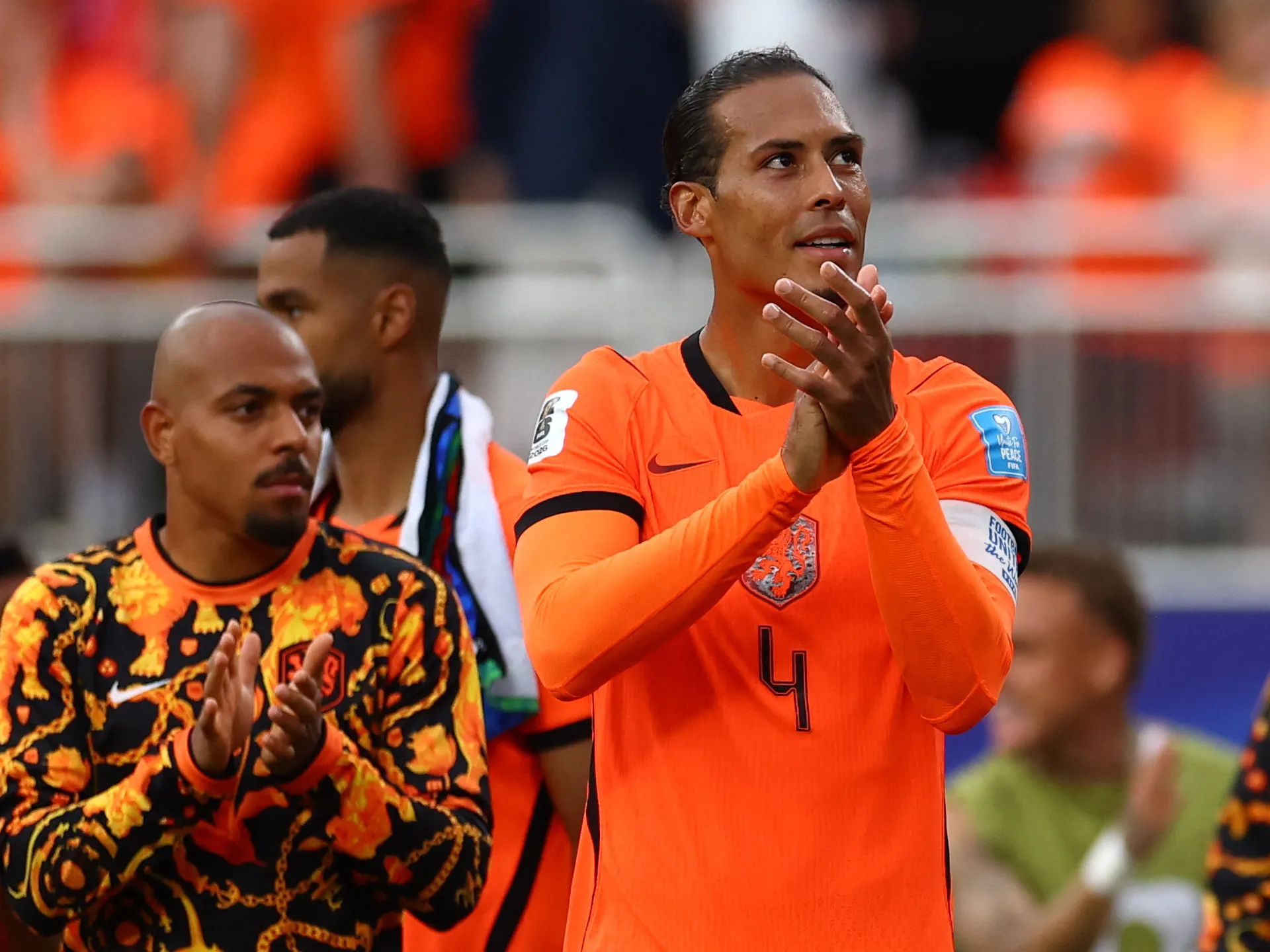
Tunisia, by contrast, depart having failed to trouble the scoreboard in any of their three matches — a 0-2 defeat to Japan, a 1-5 hammering by Sweden, and now this capitulation. Hervé Renard, the interim coach, faces searching questions about recruitment and preparation, though the stark quality chasm between the Carthage Eagles' squad and their opposition warrants context. Tunisia managed only one goal across 270 minutes of football, averaging a goal-per-90-minute rate that ranks among the tournament's most damaging records.
For the Netherlands, a measured performance against depleted opposition provides platform momentum heading into knockout football. Whether Koeman can maintain this attacking intensity against Morocco — a side that has shown defensive fortitude and threatening pace on the break — remains the pertinent question as the tournament enters its decisive phase.