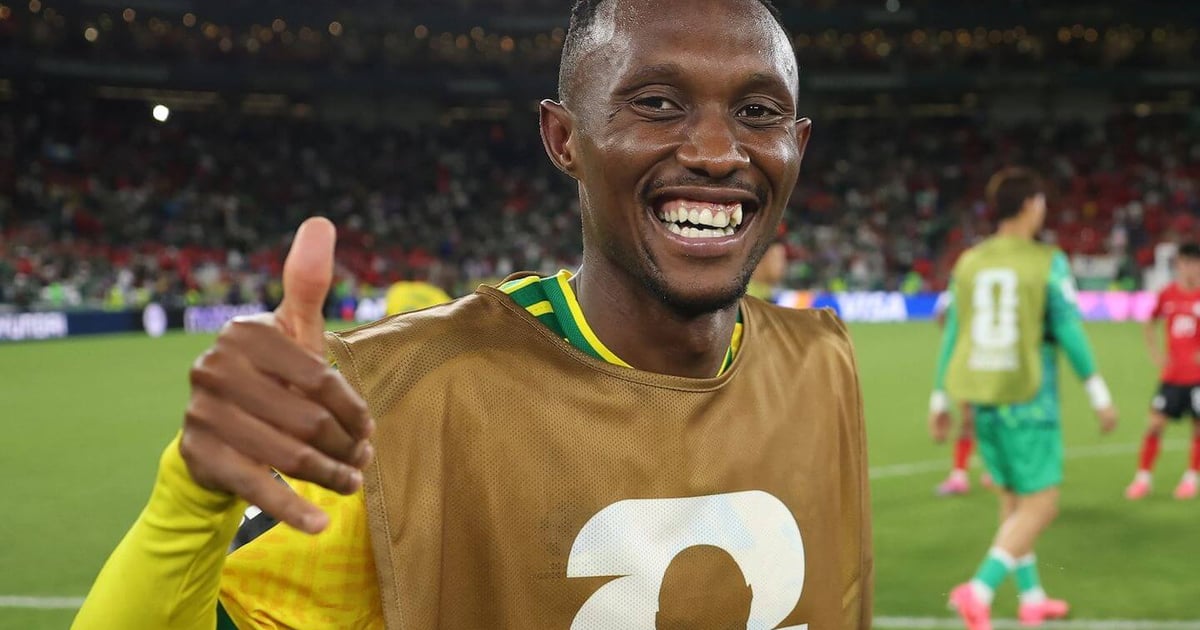
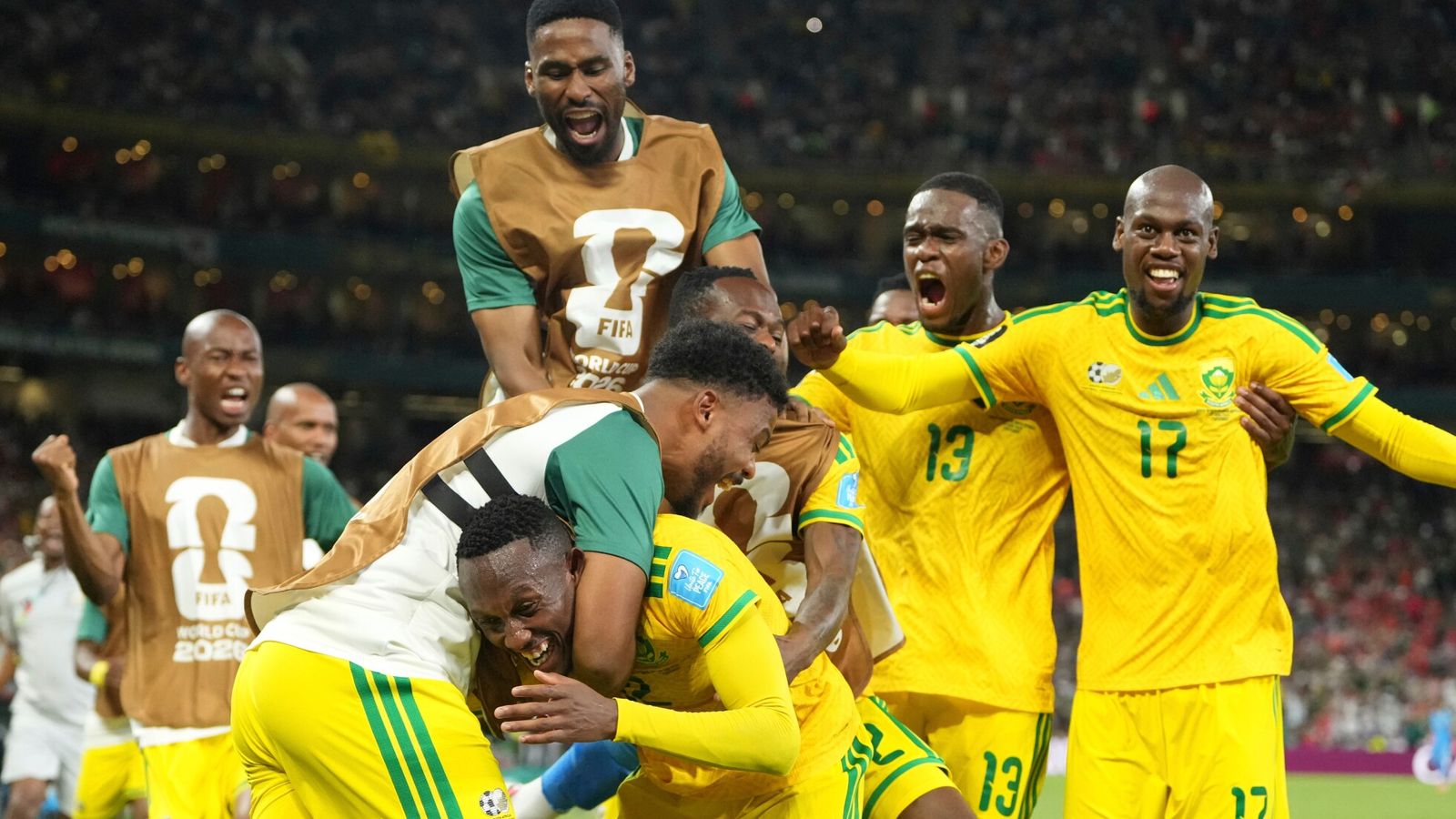
South Africa made World Cup history by reaching the knockout stage for the first time, edging past South Korea 1-0 at the Estadio BBVA in Guadalupe to cap a transformative group-stage campaign. Thapelo Maseko's composed finish inside 20 minutes of the second half proved the difference — a moment that will resonate far beyond this tournament in a nation still building its pedigree on football's biggest stage.
Hugo Broos's side dominated possession throughout, controlling 68 per cent of the ball and creating genuine chances, yet South Korea's ranking as the group's second-placed team — and a more accomplished squad on paper — meant this was never a coronation. The away side, ranked higher in Fifa's standings, arrived at the Estadio BBVA seeking the comeback that would have handed them qualification. Instead, they left with their tournament over.
How the match unfolded
South Africa began with clear intent, pressing high and recycling possession methodically through midfield. The Citizens of the pitch — as South Korea might have been styled — showed little of the spark that had secured their opening victory against Czech Republic (2-1). South Korea's manager made wholesale changes after 45 minutes, introducing Hwang Hee-Chan, Paik Seung-Ho and Lee Tae-Seok in a bid to inject urgency, but the tactical reshuffle only accentuated their disconnect.
The breakthrough came after 63 minutes when Tshepang Moremi slipped the ball wide to Maseko, who received it on the left and drove infield before dispatching a composed finish beyond the goalkeeper's reach. It was a goal born of South Africa's sustained pressure — their eighth shot of the match, though only their third on target. Maseko, who had entered off the bench ten minutes earlier, made his impact count with ruthless efficiency.
South Korea rallied thereafter, managing 13 shots to South Africa's eight by the final whistle, yet Ronwen Williams — named man of the match with a rating of 7.9 — remained untroubled between the sticks. The goalkeeper's distribution and positioning proved crucial in thwarting late attacks, whilst his defence, led by Khuliso Mudau (7.3), held firm despite the away side's numerical advantage in chance creation. Yellow cards for Aubrey Modiba and Gue-sung Cho added spice but no substance to the closing stages.

The tactical tale
South Africa's approach was methodical rather than breathless — a team managing their shape and exploiting South Korea's vulnerability to the transition. The away side's recent form (losses to Mexico, draws with Czech Republic) suggested fragility, yet their table position and pedigree made complacency dangerous. Broos exploited precisely that: by pressing intelligently and inviting South Korea forward, he created space in behind. Once Maseko's goal landed, South Africa's gameplan shifted into one of controlled suffocation — retaining possession, limiting transitions, and accepting the odd corner as a price worth paying for dominance.
South Korea's substitutions at the interval signalled desperation rather than evolution. Introducing three fresh faces in one go is a high-risk gambit; it fractured their rhythm and left them chasing shadows. By contrast, South Africa's more measured approach to personnel — Oswin Appollis entering at 62 minutes, followed by Maseko and fresh defensive bodies — allowed them to manage the game's tempo without losing shape.
What's next?
South Africa now face Canada in the last 32 (kickoff Sunday 28 June, Los Angeles), a fixture that promises to be watershed for a nation tasting knockout football for the first time. South Korea's campaign ends here, eliminated despite ranking higher in Fifa's world standings at the tournament's outset — a reminder that pedigree and form are different currencies. For Broos and his squad, the journey has only just begun.